





ambulance
,
APD
,
Kesehatan Tubuh
,
Mobil Ambulans
,
Perlengkapan Kesehatan
,
Pertolongan pertama
,
Tabung Oksigen
,
Tandu
What Equipment Is There in an Ambulance? Understand the Function of Each Tool
When you see an ambulance speeding by with its siren blaring, you might only think of it as a vehicle to transport patients to the hospital. However, inside an ambulance, there is a variety of medical equipment designed to provide first aid and keep patients stable during transport.
Each piece of equipment has a different function, from assisting breathing and monitoring vital signs to handling emergencies such as cardiac arrest or serious injuries. Below are various pieces of equipment generally found inside an ambulance.
1. Stretcher
A stretcher is the primary equipment used to move patients from the scene to the ambulance, and then to a healthcare facility.
Modern stretchers are usually equipped with:
- Patient safety belts.
- Height adjustment.
- Easily maneuverable wheels.
- A folding system for easy loading into the ambulance.
Patient safety and comfort are top priorities when using a stretcher.
Purchase Link

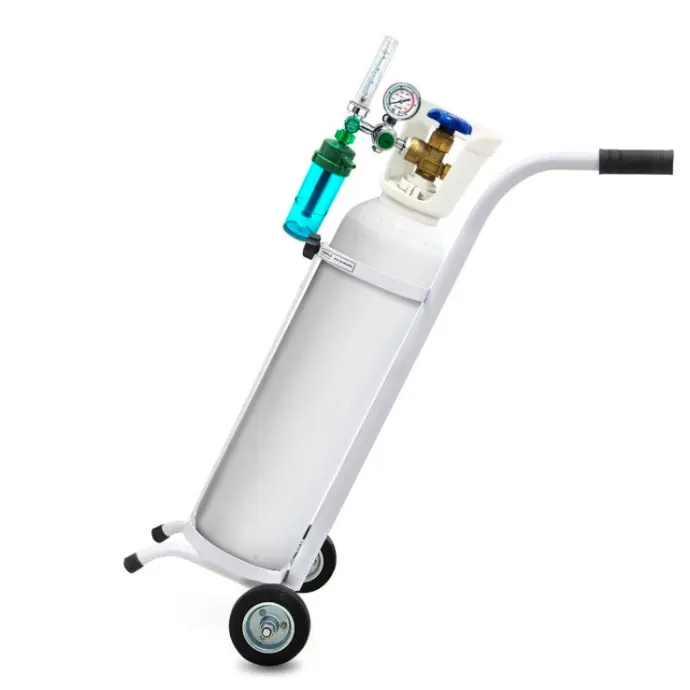
2. Oxygen Cylinder
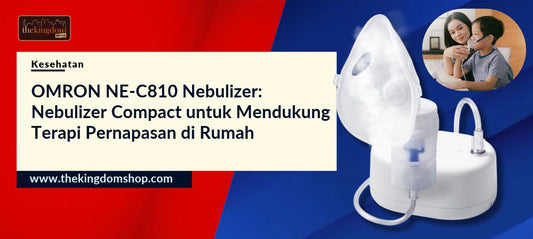
Not all patients can breathe normally. Therefore, ambulances always carry oxygen cylinders to help patients experiencing:
- Shortness of breath.
- Asthma.
- Lung disorders.
- Heart attack.
- Other conditions of oxygen deficiency.
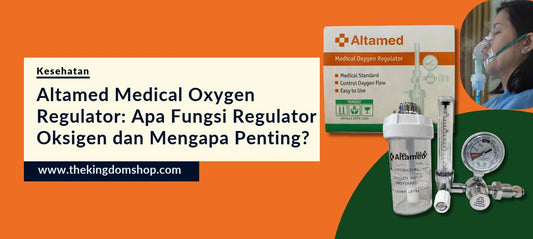
Oxygen cylinders are usually equipped with a regulator so that oxygen flow can be adjusted according to the patient's needs.
Purchase Link
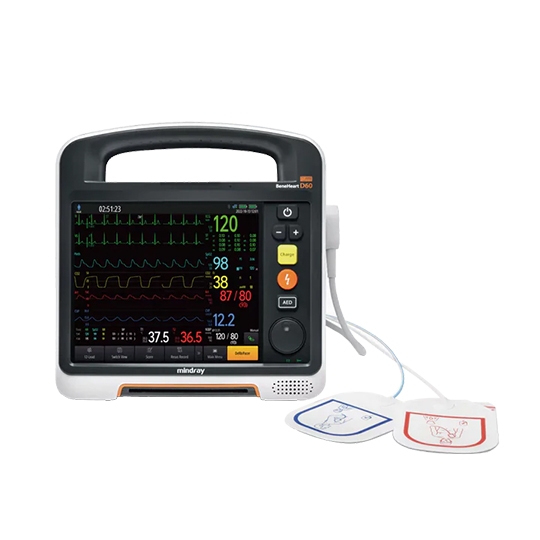
3. Defibrillator (AED/Monitor Defibrillator)
One of the most important pieces of equipment in an ambulance is a defibrillator.
This device is used when a patient experiences an abnormal heart rhythm or sudden cardiac arrest. A defibrillator works by delivering a controlled electric shock to help restore a normal heart rhythm.
In modern ambulances, this device often also functions as a patient monitor so that medical personnel can monitor:
- Heart rate (ECG).
- Pulse.
- Oxygen saturation.
- Blood pressure (on certain types).
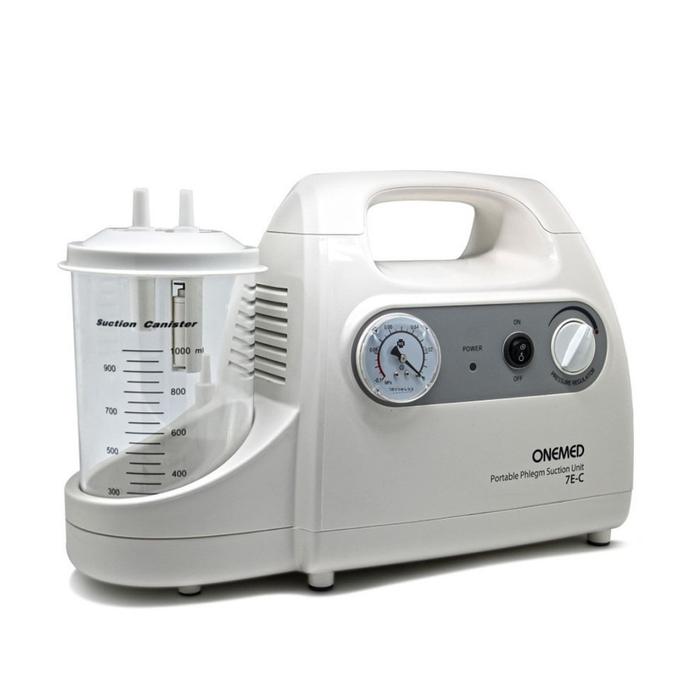
4. Suction Pump
Patients who are vomiting, bleeding, or have a lot of mucus in their airways need a suction pump.
This device functions to suction fluids from the mouth or respiratory tract so that the airway remains open and the patient can breathe better.
5. Bag Valve Mask (Ambu Bag)
An Ambu Bag is a manual breathing aid used when a patient is unable to breathe effectively.
Medical personnel will periodically squeeze the air bag so that oxygen can enter the patient's lungs before further treatment is given.

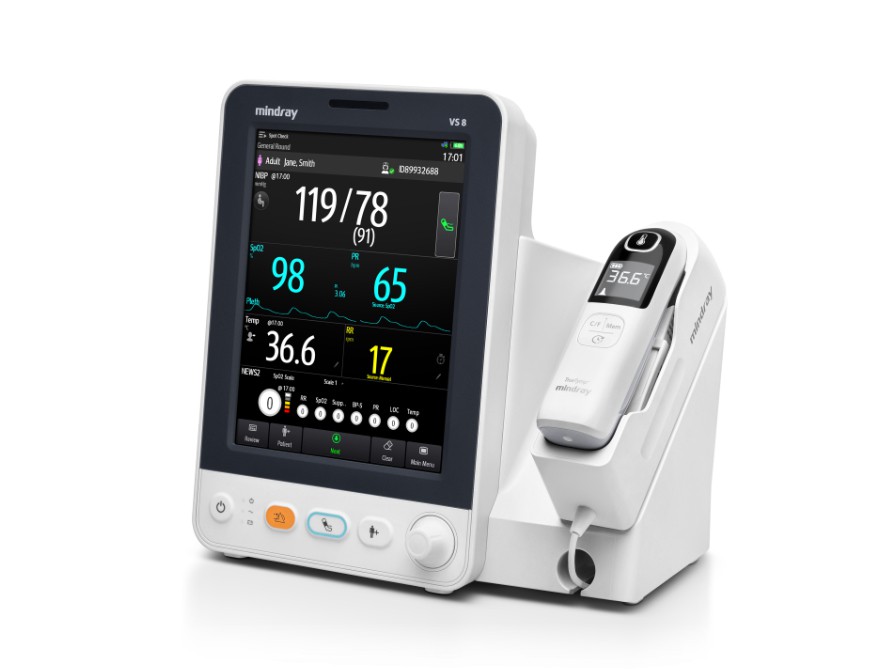
6. Vital Signs Monitor
Ambulances are also equipped with tools to continuously monitor a patient's condition.
Some of the parameters monitored include:
- Blood pressure.
- Pulse.
- Oxygen saturation (SpO₂).
- Respiratory rate.
- Body temperature.
With this monitoring, medical personnel can identify changes in the patient's condition during transport.
7. IV and Medical Fluids
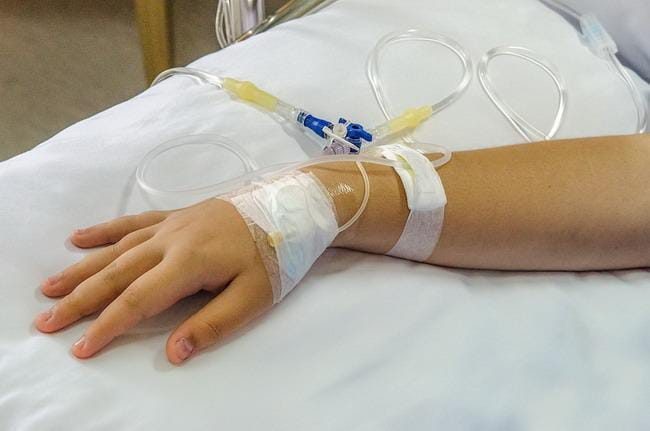
IVs are important equipment, especially for patients experiencing:
- Dehydration.
- Shock.
- Significant blood loss.
- Requiring medication administration through blood vessels.
In addition to IV fluids, ambulances also carry IV insertion equipment such as catheters, IV tubing, and medical tape.
8. Emergency Medical Kit
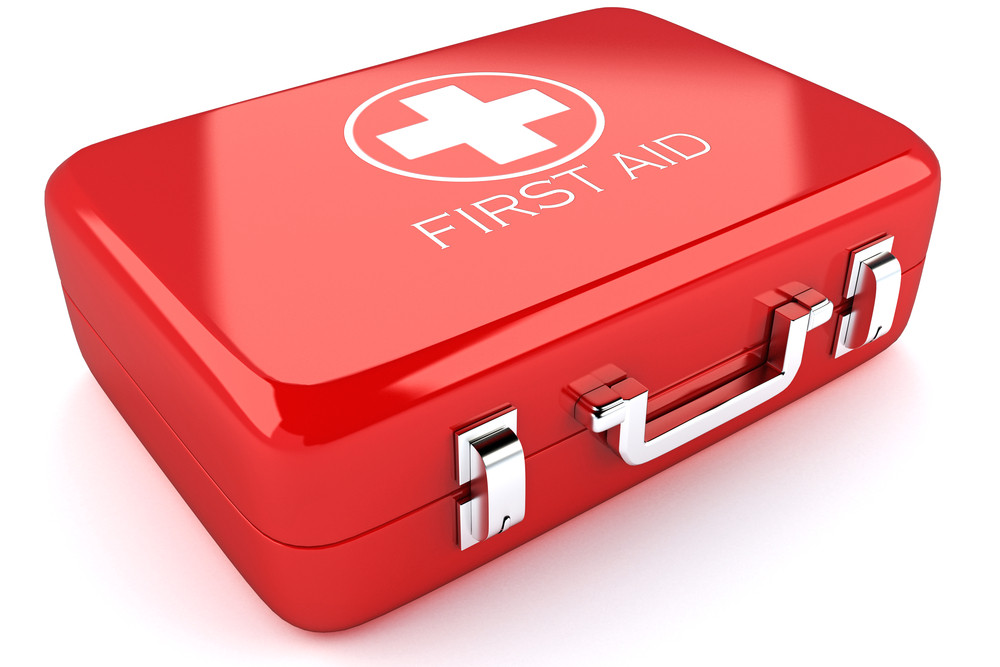
Ambulances carry various medications used in emergency conditions, for example:
- Allergy medication.
- Cardiac arrest medication.
- Seizure medication.
- Pain medication.
- Infusion solutions.
- Antiseptic liquids.
The type of medication may vary depending on operational standards and ambulance type.
9. Wound and Trauma Equipment
To handle accident victims and injuries, ambulances usually provide:
- Sterile gauze.
- Bandages.
- Plasters.
- Tourniquets.
- Splints.
- Elastic bandages.
- Medical scissors.
This equipment is used to stop bleeding and stabilize injuries before the patient arrives at the hospital.

10. Spine Board and Neck Collar
If a spinal or neck injury is suspected, the patient must be moved with extreme care.
Therefore, ambulances are equipped with:
- Spine board.
- Neck collar.
This equipment helps reduce the risk of more severe injury during the evacuation process.

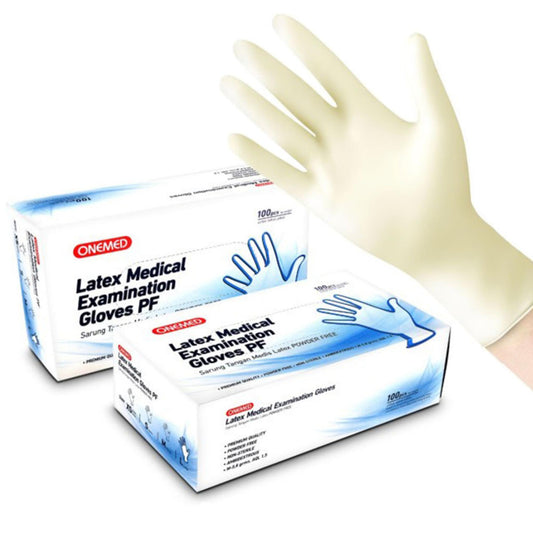
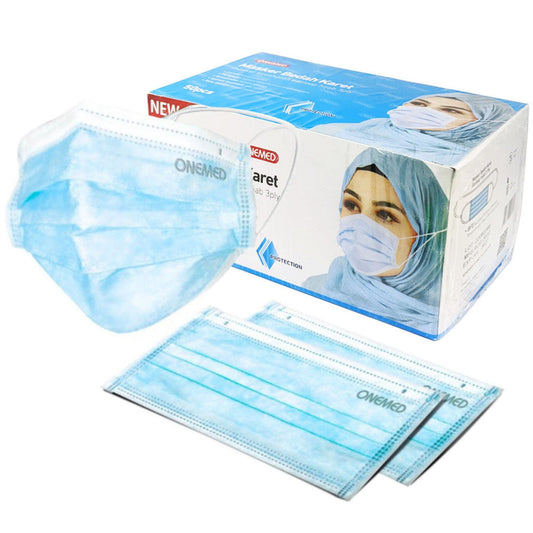
11. Personal Protective Equipment (PPE)
The safety of medical personnel is also an important consideration.
Inside an ambulance, the following are usually available:
- Medical gloves.
- Masks.
- Face shields.
- Protective clothing.
- Hand sanitizer.
PPE helps reduce the risk of disease transmission while providing assistance.

12. Medical Thermometer
Although it seems simple, a thermometer is an important tool for checking a patient's body temperature.
Temperature checks help medical personnel determine whether the patient has:
- High fever.
- Hypothermia.
- Infection.
- Certain medical conditions that affect body temperature.
Many ambulances now use infrared thermometers because they provide fast, non-contact measurements.

13. Additional Examination Tools
In addition to the main equipment, ambulances also carry several supporting tools such as:
- Stethoscope.
- Blood pressure monitor.
- Pulse oximeter.
- Medical flashlight.
- Trauma scissors.
- Tweezers.
Although small, these tools are very helpful in the initial examination of patients.

Why Should Ambulance Equipment Be Complete?
An ambulance is more than just a patient transport vehicle. An ambulance functions as a first-aid room that allows medical personnel to provide life-saving actions before the patient arrives at the hospital.
The more complete the equipment available, the greater the chance of patients receiving fast and appropriate treatment in emergency conditions.
Conclusion
Inside an ambulance, there is a variety of important equipment, each with its own function, from stretchers, oxygen cylinders, defibrillators, suction pumps, vital signs monitors, to trauma management equipment. All these tools work together to help maintain the patient's stable condition during the evacuation process to a healthcare facility.
For hospitals, clinics, community health centers, and institutions that operate ambulances, ensuring that all equipment is always available and functioning properly is an important part of providing fast, safe, and professional medical services.
Tags:
Previous
Matras Biasa vs Matras Khusus Pasien Rumah Sakit: Apa Bedanya dan Mengapa Penting?
Next
Spill Perlengkapan Medis di Kamar Pasien VIP Rumah Sakit Indonesia, Ternyata Isinya Lebih Lengkap dari yang Dibayangkan