





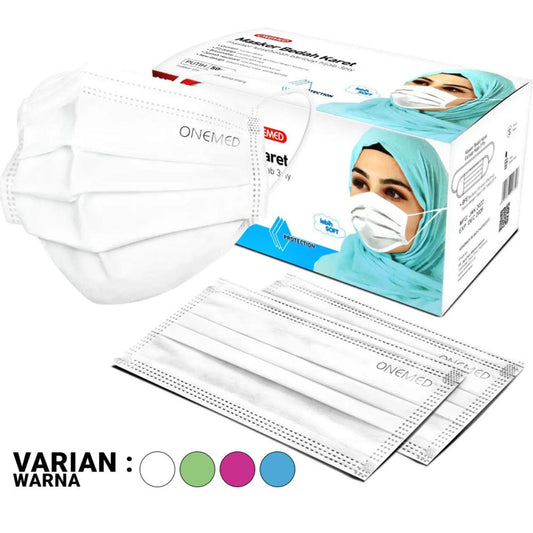




Beware of Hantavirus: Know the Risks and Protect Yourself with the Right Mask
What is Hantavirus?
Hantavirus is a virus that can spread through the urine, saliva, and droppings of rodents, which then dry and become airborne. The virus can enter the body when a person inhales contaminated dust particles, especially when cleaning warehouses, attics, empty houses, or areas with many rodents.
Although its cases are not as numerous as other respiratory illnesses, hantavirus still needs to be watched out for as it can cause serious respiratory problems.
How is it Transmitted?
Hantavirus transmission typically occurs when:
- Cleaning dusty rooms with rodent nests
- Sweeping or mopping rodent droppings without protection
- Inhaling contaminated dust
- Touching objects contaminated with rodent urine or droppings, then touching one's face
Therefore, using a mask with good filtration is crucial to help reduce the risk of inhaling dust particles and microparticles in the air.
Hantavirus Symptoms

Early hantavirus symptoms can resemble the common flu, such as:
- Fatigue
- Fever
- Nausea / Stomach Ache / Diarrhea / Vomiting
- Aches / Joint Pain
- Headache
- Cough or Shortness of Breath
If you experience symptoms after contact with areas with many rodents, seek medical attention immediately.
How to Prevent Hantavirus
Here are some preventive steps that can be taken:
- Use a mask when cleaning dusty areas
- Avoid sweeping dry rodent droppings
- Use gloves when cleaning
- Spray disinfectant before cleaning contaminated areas
- Keep your home clean and avoid accumulating trash
Recommended Masks for Daily Protection
To help protect yourself when in dusty areas or when cleaning rooms, using a multi-layered mask with high filtration is highly recommended.
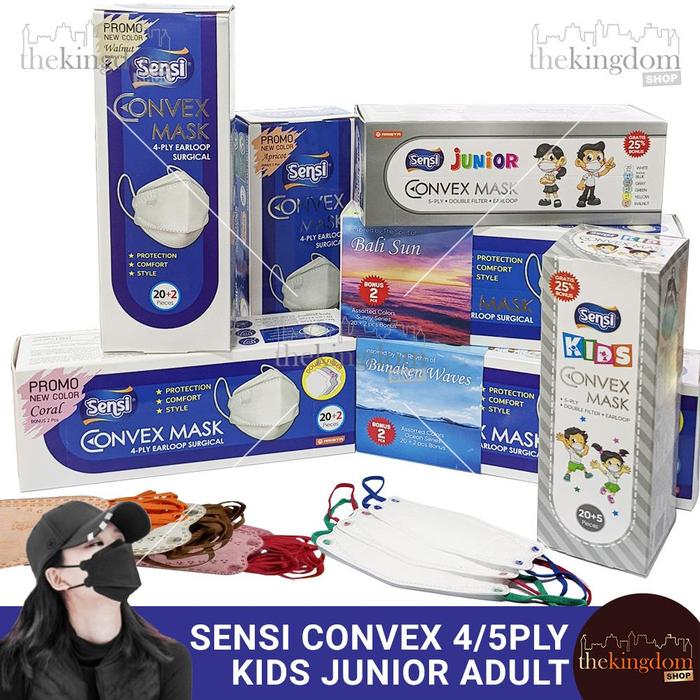
Recommendation: Sensi Convex Mask 5ply
Tags:
Previous
Drama-Free Rainy Season: Simple Gear to Make Life More Comfortable
Next
Tips for Cooking Qurban Meat to Make it Tender and Perfectly Done, You Must Use a Meat Thermometer!