





Alat cek gula darah
,
Alat cek kesehatan
,
Alat kesehatan
,
alat kesehatan rumah
,
Cek Gula darah
,
CGM
,
continuous glucose monitoring
,
Diabetes
Blood Sugar Monitoring for Diabetics: Sinocare iCan i6 CGM.
Why Is Routine Blood Sugar Monitoring Important for Diabetes Sufferers?
 Diabetes is a chronic condition that requires serious and consistent attention. One of the key elements in managing diabetes is regular blood sugar monitoring. Unfortunately, many people with diabetes underestimate the importance of this. However, proper monitoring can prevent serious complications and significantly improve quality of life.
Understanding Diabetes and Its Impact
Diabetes occurs when the body cannot properly regulate blood sugar levels. There are two main types:
- Type 1 Diabetes: The body does not produce insulin
- Type 2 Diabetes: The body does not use insulin effectively (insulin resistance)
Uncontrolled blood sugar levels can cause serious complications such as:
- Nerve damage (neuropathy)
- Visual impairment to blindness
- Heart disease and stroke
- Kidney failure
- Wounds that are difficult to heal
The good news? Most of these complications are preventable with proper management, and regular monitoring is the foundation of that management.
Why is Blood Sugar Monitoring Important?
-
Knowing Your Blood Sugar Pattern
Everyone has a different blood sugar pattern. Monitoring helps you understand how your body reacts to food, exercise, stress, and medications. -
Prevent Hypoglycemia and Hyperglycemia
Hypoglycemia (too low blood sugar): Can cause dizziness, cold sweats, and even loss of consciousness.
Hyperglycemia (too high blood sugar): In the long term damages body organs
With monitoring, you can detect and address these conditions before they become dangerous. -
Evaluation of Treatment Effectiveness
Monitoring helps your doctor adjust your medication or insulin dosage to be more effective for your condition. -
Make Better Daily Decisions
By knowing your real-time blood sugar levels, you can make smart decisions about:
- What to eat
- When to exercise
- When to take medication or insulin
Blood Sugar Monitoring Methods
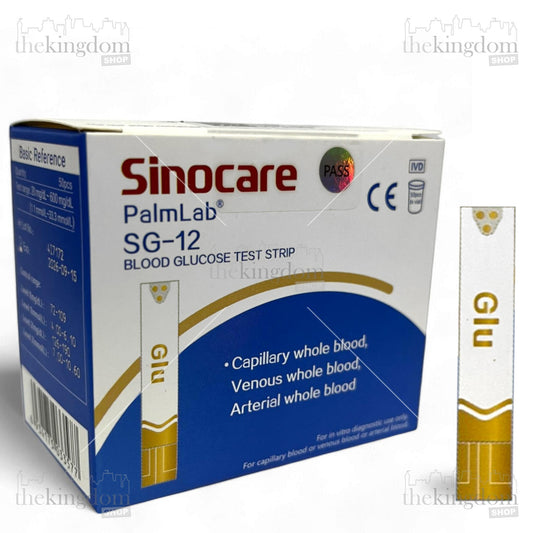
Traditional Method: Finger Prick
The most common method uses a glucometer with test strips. Here's how:
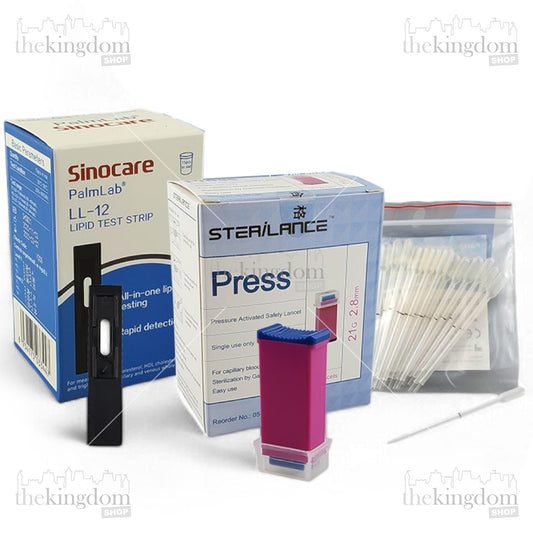
- Prick the tip of your finger with a lancet
- Drop blood onto the strip
- The tool will read blood sugar levels
Advantages : Easy to get, affordable price
Disadvantages : Need to prick your finger repeatedly (can be 4-8 times a day), only get a snapshot at one time, can't see trends throughout the day
Modern Technology: Continuous Glucose Monitoring (CGM)
CGM is the latest technology that monitors blood sugar directly 24/7 without the need for repeated finger pricks.
How CGM works:
- A small sensor is attached to the arm or abdomen.
- The sensor reads sugar levels from fluid under the skin.
- Data is sent to the smartphone/receiver in real-time
- You can see a graph of blood sugar trends throughout the day.
CGM advantages:
- 24/7 monitoring without finger pricks
- View blood sugar trends and patterns
- Alert if blood sugar is too high/low
- More complete data for doctors
- More comfortable for daily activities
Who Should Consider CGM?
CGM is very useful for:
- People with type 1 diabetes
- Type 2 diabetes using insulin
- Those who often experience hypoglycemia without realizing it
- Those who want tighter blood sugar control
- Those who actively exercise or have an irregular schedule
Get the product
Buy Sinocare iCan i6 Continuous Glucose Monitoring System NowRecommendation:Sinocare iCan i6 CGM
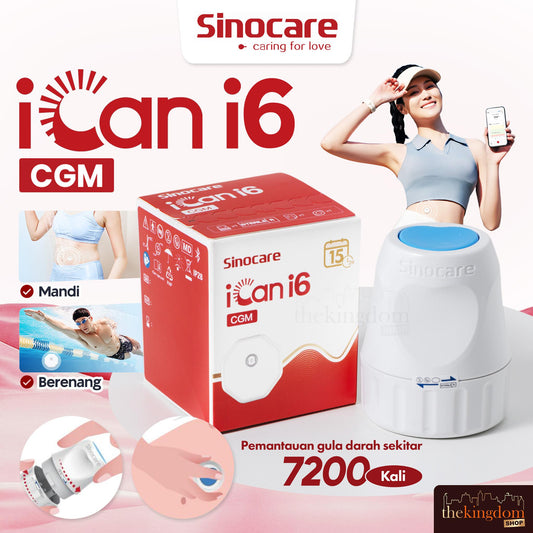
For those interested in trying CGM technology,the Sinocare iCan i6 is a worthwhile option to consider. This CGM system offers:
- 24/7 real-time monitoring - Monitor your blood sugar anytime
- Long-lasting sensor - Can be used up to 14 days
- Smartphone connection - Data automatically syncs to the app
- Alert notification - Warning if blood sugar is outside normal limits
- Data sharing - Family can monitor remotely
- Waterproof - Can be used for showering or swimming
Interestingly,the Sinocare iCan i6 has good accuracy and is easier to use for first-time CGM users.
Tips for Successful Blood Sugar Monitoring
-
Consistency is Key
Create a regular monitoring schedule and stick to it.
-
Record the Results
Use a logbook or app to track results and patterns.
-
Understand Your Target
Consult a doctor to find out the appropriate blood sugar target.
-
Don't Panic with Fluctuations
Fluctuating blood sugar is normal, what matters is the long-term trend.
-
Discuss with a Doctor
Bring monitoring records during check-ups for treatment evaluation.
-
Family Education
Make sure your family knows how to help in case of an emergency.
Conclusion
Blood sugar monitoring isn't just a routine, but an investment in your long-term health. With increasingly sophisticated technology like CGM, monitoring has become easier and more convenient. The most important thing is to find a method that suits your lifestyle and do it consistently. Get the producthere .
Tags:
Previous
Comfort & Pressure Ulcer Prevention While Sitting
Next
Understanding Lipid Profiles: Why Your Cholesterol Is More Than Just a Number