




Asam urat
,
cek asam urat
,
Cek Gula darah
,
cek kolestrol
,
gula darah
,
Infomasi kesehatan
,
kesehatan
,
kesehatan badan
What's the Difference Between Blood Sugar, Cholesterol & Uric Acid?
Blood Sugar, Uric Acid, and Cholesterol : Three Important Numbers That Determine Your Health
When undergoing a health check, three numbers that are often of concern are blood sugar , uric acid , and cholesterol . Although all tested through a blood sample, they serve different purposes. Understanding these differences helps identify risks more quickly and maintain proper health.
What is Blood Sugar

Blood sugar (glucose) is the body's primary source of energy . Every activity—from thinking to walking to breathing—requires glucose. The body regulates blood sugar using the hormone insulin , which helps move glucose from the blood into cells to be used as energy.
When blood sugar is too high
Blood sugar builds up in the bloodstream when the body lacks insulin or doesn't respond properly to insulin (insulin resistance). This condition is called hyperglycemia and carries the risk of developing diabetes. Long-term complications can include nerve damage, vision problems, and kidney problems.
Symptoms that often appear
- Easily thirsty
- Frequent urination
- Often feel hungry
- Easily tired
What is Uric Acid?

Uric acid is a waste product produced by the breakdown of purines—components found in abundance in organ meats, red meat, seafood, nuts, and alcoholic beverages. Normally, uric acid is excreted through the kidneys. If overproduction or impaired excretion occurs, uric acid crystals can accumulate in the joints.
If uric acid levels are high
The buildup of crystals triggers joint inflammation known as gout . Symptoms include sudden joint pain, redness, swelling, and warmth in the affected area—often starting in the big toe.
The causative factors are not only diet, but also genetics, obesity, and impaired kidney function.
What is Cholesterol?

Cholesterol is a fatty substance that the body needs to build cells, produce hormones, and aid digestion. While essential, it's important to maintain a healthy balance.
Types of cholesterol
LDL (Low-Density Lipoprotein) — often called “bad” cholesterol, because it tends to build up on the walls of blood vessels.
HDL (High-Density Lipoprotein) — the “good” cholesterol that helps clear excess LDL from the bloodstream.
Causes and risks
Consuming foods high in saturated fat, lack of exercise, smoking, heredity, and obesity can all increase cholesterol levels. If left uncontrolled, high cholesterol increases the risk of heart disease, stroke, and blood vessel blockages.
Summary of the Differences Between the Three
Blood sugar serves as the body's energy source; excess levels can lead to diabetes. Uric acid is a waste product of purine metabolism; its accumulation can lead to gout, a form of joint inflammation. Cholesterol is an essential fat for cells and hormones; however, high LDL levels can increase the risk of cardiovascular disease.
How to Keep All Three Stable?

1. Change your diet gradually
Reduce added sugar, limit high-purine organ meats and seafood, and choose healthy fats like fatty fish, avocados, and nuts.
2. Exercise regularly
At least 30 minutes of moderate activity every day, such as brisk walking, cycling, or yoga. Exercise helps control blood sugar, lower LDL cholesterol, and maintain a healthy weight.
3. Maintain ideal body weight
Being overweight increases the risk of high blood sugar, uric acid, and cholesterol. Weight control is an important preventative measure.
4. Reduce stress
Chronic stress contributes to high blood sugar and negatively impacts heart health. Simple stress management practices like meditation, adequate sleep, and light exercise can help.
5. Check your health regularly
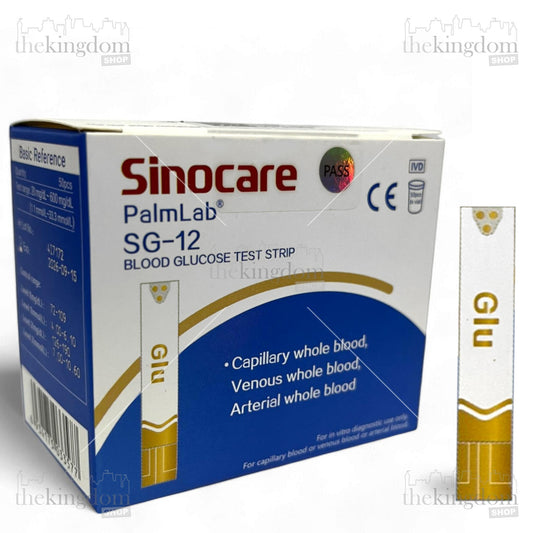
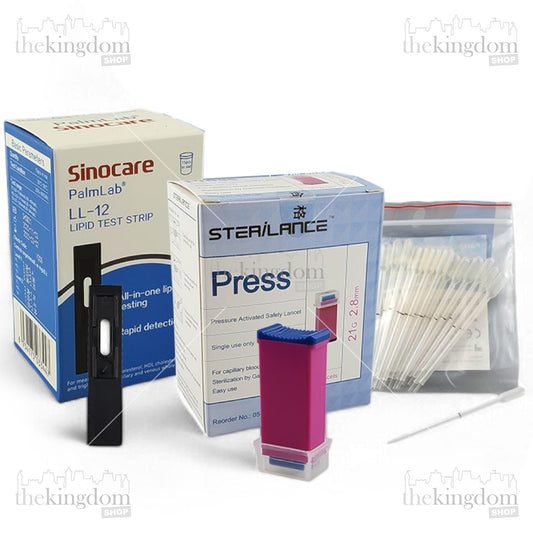
Use regular checkups and available medical equipment: blood sugar monitors, cholesterol and uric acid monitors , blood pressure monitors, and smart scales. Early detection makes it easier to prevent complications.
Tags:
Previous
Effective Natural Healthy Diet Tips
Next
Does Drinking Ice Water Make You Fat? Find Out Now